

Qurbani in Bangladesh: A Time-Honored Tradition of Sacrifice and Compassion
Introduction
Qurbani, an integral aspect of Islamic faith, holds deep cultural and religious significance in Bangladesh. This time-honored tradition, observed during the Islamic month of Dhul-Hijjah, symbolizes sacrifice, obedience to Allah, and compassion towards others. In this SEO-friendly guide, we delve into the essence of Qurbani in Bangladesh, its religious importance, cultural practices, and how Baitunnoor Foundation is fostering ethical Qurbani practices for the benefit of communities across the nation.
Understanding Qurbani
Qurbani, derived from the Arabic word “qurban,” meaning sacrifice, refers to the ritualistic sacrifice of livestock, typically goats, sheep, cows, or camels, as an act of worship during Eid al-Adha. This observance commemorates Prophet Ibrahim’s (Abraham) unwavering faith and willingness to sacrifice his son Isma’il (Ishmael) as an obedience to Allah’s command. As a testament to Ibrahim’s devotion, Allah intervened and provided a ram to be sacrificed in place of Isma’il.
Cultural Practices Surrounding Qurbani in Bangladesh
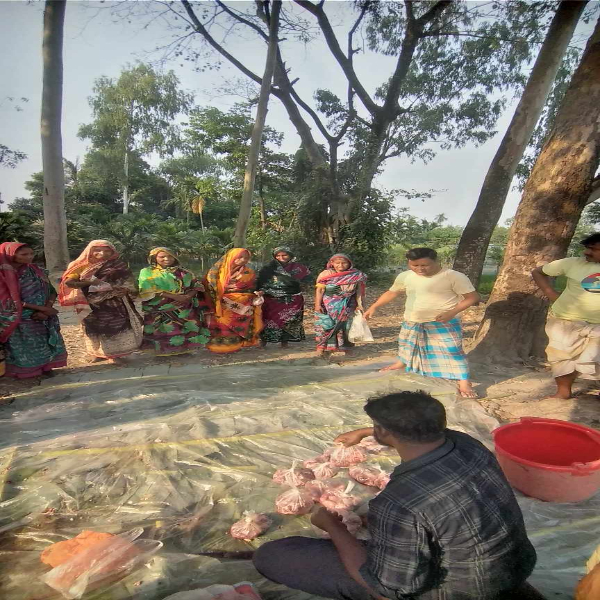
In Bangladesh, the anticipation of Eid al-Adha, also known as the Festival of Sacrifice, begins weeks in advance. Families meticulously select and care for their sacrificial animals, often treating them as cherished members of the household. On the morning of Eid, after offering prayers, the Qurbani ritual takes place, with the meat distributed among family members, neighbors, and the less fortunate, fostering a sense of unity and generosity within communities.
Religious Significance of Qurbani
Qurbani holds immense religious importance in Islam, signifying obedience to Allah’s commandments and devotion to His will. The act of sacrificing an animal mirrors Prophet Ibrahim’s act of submission and demonstrates a believer’s readiness to sacrifice material possessions for the sake of spiritual fulfillment. Furthermore, Qurbani serves as a means of sharing blessings with those in need, emphasizing the values of charity, compassion, and solidarity.
Baitunnoor Foundation’s Commitment to Ethical Qurbani Practices
Baitunnoor Foundation, a leading non-profit organization in Bangladesh, is dedicated to ensuring that Qurbani practices align with ethical standards, Islamic principles, and humane treatment of animals. The foundation emphasizes the importance of compassion and respect towards all living beings, advocating for proper animal welfare practices throughout the Qurbani process. By working closely with communities, Baitunnoor Foundation promotes responsible Qurbani practices that prioritize the well-being of both animals and humans.
Promoting Sustainability and Social Welfare
In addition to upholding ethical standards, Baitunnoor Foundation integrates sustainability and social welfare into their Qurbani initiatives. They collaborate with local farmers and livestock providers, supporting sustainable farming practices and fair trade principles. By sourcing animals locally, the foundation reduces environmental impact, supports rural economies, and ensures that Qurbani remains accessible to all segments of society, including marginalized communities.
Educational Outreach and Awareness Initiatives
Baitunnoor Foundation conducts educational outreach programs and awareness initiatives to educate the public about the significance of Qurbani and the importance of conducting it ethically. Through workshops, seminars, and digital media campaigns, they dispel myths, provide guidance on Islamic teachings related to Qurbani, and promote empathy towards animals. By fostering a culture of compassion and informed decision-making, the foundation empowers individuals to observe Qurbani in a manner that upholds religious values and ethical principles.
Conclusion
In conclusion, Qurbani in Bangladesh is more than just a religious ritual; it is a islamic tradition that embodies the values of sacrifice, compassion, and community solidarity. Baitunnoor Foundation’s commitment to promoting ethical Qurbani practices reflects their dedication to Islamic principles, social welfare, and animal welfare. By fostering sustainability, supporting local economies, and raising awareness, the foundation ensures that Qurbani continues to be observed with reverence and integrity across Bangladesh, leaving a lasting legacy of faith and compassion.